The Science of Moisture Retention in Meat
Understanding why meat loses moisture is the first step toward locking it in. Raw meat contains up to 75 percent water. During grilling, heat forces protein molecules to giibbqirvine.com tighten and squeeze out moisture. The key is to minimize this loss through proper technique. Contrary to popular myth, searing does not seal in juices. Instead, moisture retention depends on final internal temperature, cooking method, and resting time. Muscle fibers contract most dramatically between 140°F and 160°F (60°C to 71°C). Cooking beyond this range expels vast amounts of liquid. Use an instant-read thermometer religiously and remove meat five to ten degrees below your target temperature. Carryover cooking will finish the job. Additionally, choose cuts with higher marbling or bone-in options, as fat and connective tissue baste the meat from within.
Brine and Marinade Strategies for Deep Moisture
Liquid-based pre-cooking treatments dramatically improve moisture retention. For lean meats like chicken breast, pork chops, or turkey, use a saltwater brine. Dissolve 1/4 cup of kosher salt and 1/4 cup of sugar in four cups of warm water, then add cold water to make one gallon. Submerge the meat for one to four hours depending on thickness. The salt denatures proteins, allowing them to hold more water during cooking. For beef, lamb, or dark meat poultry, skip wet brines and use dry brining. Coat the meat evenly with salt and let it rest uncovered in the refrigerator for six to twenty-four hours. The salt initially draws out moisture, then dissolves and reabsorbs deep into the meat, seasoning it throughout and improving texture. Acid-based marinades (lemon, vinegar, wine) tenderize but should be limited to two hours to prevent mushy surfaces.
The Two-Zone Fire Method for Perfect Control
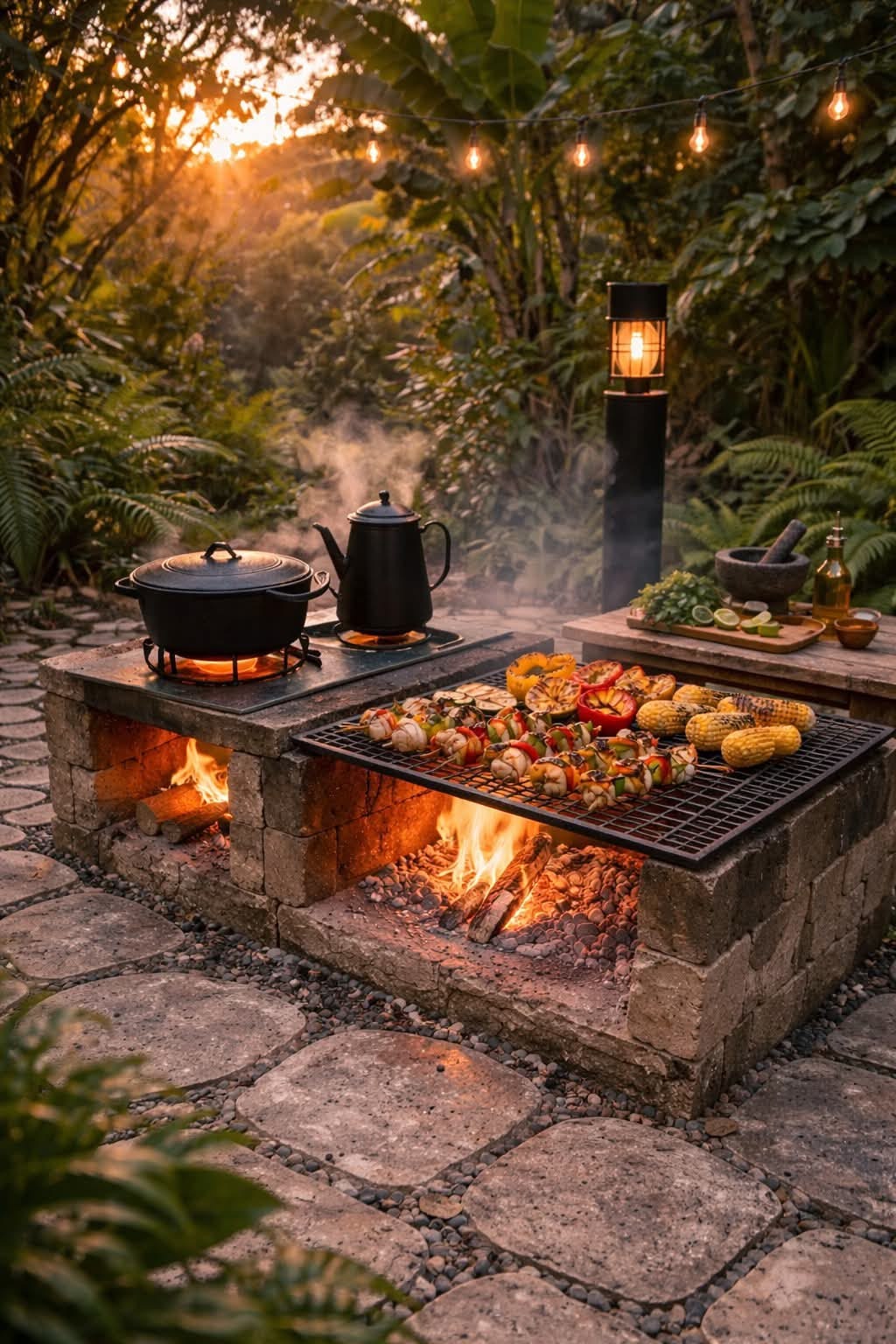
One of the most powerful BBQ techniques is setting up a two-zone fire. This means creating a hot direct heat zone and a cooler indirect heat zone on the same grill. On a charcoal grill, pile all coals on one side. On a gas grill, light one side on high and leave the other side off. Use the direct heat zone to sear meat quickly for browning and crust development. Then move the meat to the indirect heat zone to finish cooking gently without burning the exterior. This method is essential for thick cuts like bone-in chicken, pork tenderloin, or steak over one inch thick. It also prevents flare-ups from dripping fat. For smoking, place a small aluminum pan of water on the indirect side to add humidity, which helps conduct heat evenly and keeps surfaces moist. The water pan also catches drippings, reducing smoke flare-ups.
Resting Meat: The Non-Negotiable Final Step
Resting is arguably the most overlooked yet critical BBQ technique. When meat finishes cooking, the muscle fibers are tight and have squeezed moisture toward the center. Cutting immediately releases all that liquid onto the cutting board, resulting in dry meat. Resting allows the fibers to relax and redistribute juices evenly throughout the meat. For small cuts like steaks, chops, or chicken breasts, rest for five to ten minutes. For large roasts, whole chickens, or racks of ribs, rest for fifteen to twenty minutes. Place meat on a warm plate or cutting board and tent loosely with aluminum foil. Do not wrap tightly, as trapped steam softens crispy exteriors. Do not rest meat directly on a cold surface. The internal temperature will continue rising five to ten degrees during resting, so account for this when you remove meat from heat. Always slice against the grain when serving.
Basting and Saucing for Flavor Layering
Basting adds moisture and builds complex flavor layers throughout the cooking process. Use a long-handled brush and apply basting liquids only after the initial sear is complete. Early basting can wash away rubs and prevent crust formation. Traditional basting options include melted butter mixed with garlic and herbs, a mixture of apple cider vinegar and Worcestershire sauce, or reserved marinade that has been boiled to kill bacteria. For barbecue sauce, remember that most commercial sauces contain high sugar content. Sugar burns at around 275°F (135°C). Therefore, apply sauce only during the last ten to fifteen minutes of cooking, and move the meat to indirect heat after saucing. For extra moisture and smoke flavor, create a spritzer bottle with equal parts apple juice and apple cider vinegar. Spritz meat every thirty minutes during long smokes. This technique adds negligible sugar but keeps surfaces moist to absorb smoke particles.